New York is cracking down on subscription traps. I built Cancel Atlas for the same problem.
July 11, 2026
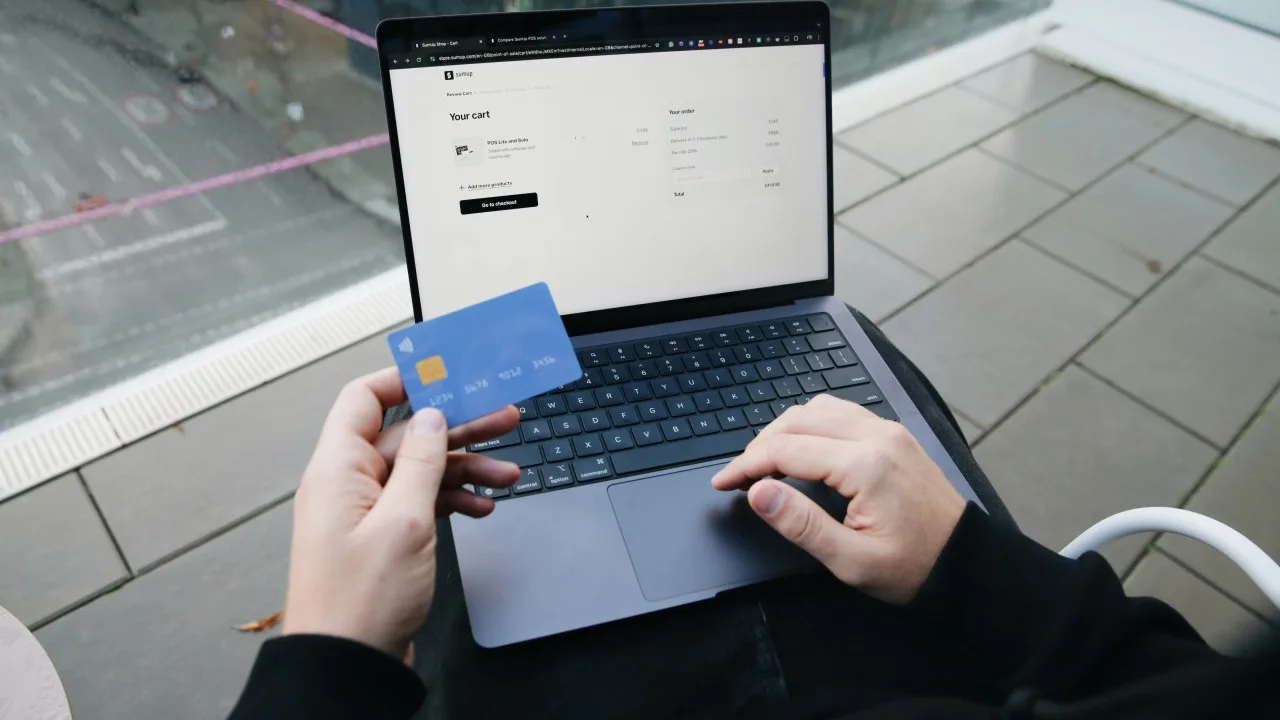
Businesses have made signing up streamlined to one click. Why can canceling require talking with support teams, sending rounds of emails, a conversation with a retention agent, and looking around forums to crack the code of leaving?
Every year, consumers collectively lose billions to subscription traps: arrangements that take seconds to enter but leaving requires navigating a maze. In the United Kingdom alone, unwanted subscriptions are estimated to cost consumers 1.6 billion pounds annually.
New York City has now become the latest authority to challenge that global imbalance.
On July 10, 2026, New York City Mayor Zohran Mamdani, who is on a crusade against subscription traps and junk fees, announced a municipal “Click-to-Cancel” rule which is set to take effect this October. It is based on a simple principle: when a business allows someone to subscribe online with one click, it should provide an equally straightforward way to cancel. Businesses that violate the rule may be required to compensate affected consumers and face civil penalties starting at $525 per violation.
That local rule is unveiling a more global issue, causing regulators across the United States, the United Kingdom, and the European Union to increasingly question business models that depend on automatic renewals, unclear terms, and unnecessary cancellation friction.
I understand the problem personally
A few years ago, I signed up for a trial of a major creative software suite. I attempted to cancel before the trial expired, but the process was difficult to locate and complete. I was charged for a full year and later discovered that I had been enrolled in two subscriptions at the same time: one costing 35.99 euros a month and another costing 59.99.
I prefer not to name the company, but a quick search showed me that many other customers had reported similar experiences. That was when I realized subscription traps were not limited to unreliable businesses. Even respected global brands could benefit from cancellation systems customers struggled to understand.
This lack of transparency is exactly why easy cancellation must become the industry standard, not a competitive advantage.
So I built the index
As a solo entrepreneur, I built CancelAtlas.com to address this imbalance. Through an open Subscription Cancellation Friction Index, Cancel Atlas makes complex policies easier to find and understand before you hand over your credit card.
As I recently shared, some people assumed I would use the platform exclusively to expose bad companies. Instead, I started celebrating the good ones through the Cancel Atlas Wall of Fame. Every time a company earns a good score for their transparency, I explain exactly why they deserve it, proving that the index itself is the product.
- Spotify holds 88 out of 100 on the index for explicitly showing you what features you lose upon leaving, without hiding the exit door.
- Netflix earns 92 out of 100 because they allow you to cancel your membership in seconds directly from your account settings.
- Notion also deserves recognition. Cancelling my Pro plan took only two clicks. That respect for my time is one reason it was the first tool I resubscribed to when my next project began.
Transparency does not weaken retention; it builds the trust that makes people willing to return.
Forced retention should never be treated as a legitimate business strategy. Businesses need to earn long-term loyalty through product value and genuine customer support.
Have you ever been caught in a subscription trap, or have you found a company that actually makes leaving simple? Check out the full index and nominate the next company for review at cancelatlas.com.
Stay Updated
Get notified when I publish new reflections, insights, and behind-the-scenes updates.