Inside Cannes Lions 2026: AI dominated, new categories debuted, and the industry reckoned with its future
June 27, 2026
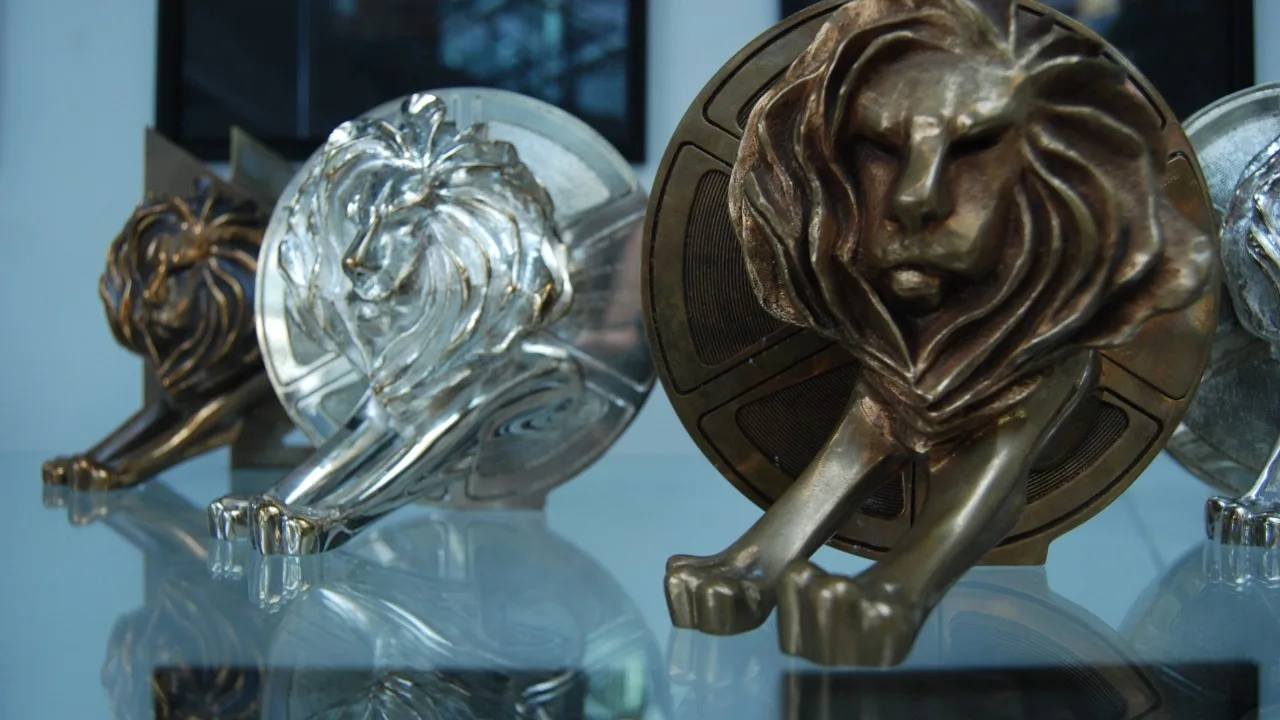
The 73rd Cannes Lions International Festival of Creativity wrapped on June 26 after five days that saw the global advertising and marketing industry descend on the French Riviera to celebrate creative excellence, grapple with the rise of generative AI, and award the year's most groundbreaking campaigns.
Held at the iconic Palais des Festivals et des Congres, this year's festival brought together approximately 15,000 delegates from more than 90 countries under the banner of its 2026 theme: “Where creativity drives progress.”
The AI elephant in the room
If there was one story that defined this year's festival, it was artificial intelligence. According to the Cannes Lions chair, a staggering 40% of all award entries this year involved AI in some capacity, a figure that signals just how rapidly the technology has embedded itself into creative workflows.
From AI-powered campaign ideation to generative video and personalised ad creative at scale, the technology was the subject of some of the most packed sessions on the programme. Google DeepMind CEO Demis Hassabis drew standing-room-only crowds for his talk on the intersection of artificial general intelligence and brand creativity, while debate sessions questioned whether AI-assisted work should be judged in dedicated categories or alongside traditional entries.
The question on everyone's lips: is AI a creative partner or a creative crutch? The jury deliberations this year suggest the industry is leaning firmly toward the former, but with guardrails. Several juries specifically evaluated how authentically entrants disclosed and integrated AI tools, rewarding transparency over obfuscation.
The winners: VML New York led the US charge
Day four of the festival saw the major awards ceremony where VML New York emerged as the leading US agency, picking up multiple Lions across a range of categories. Gold Lions were awarded to campaigns including:
- Oreo (by VML), a playful integrated campaign that turned the iconic cookie into a cross-platform creative force
- Huggies, recognised for an emotionally resonant brand experience
- M and M's, earning top marks in the brand experience categories
- Tiffany & Co. in partnership with Netflix, a luxury and entertainment crossover that caught the jury's imagination
In the Creative Strategy category, Prime Weber Shandwick Stockholm took home a Gold Lion, making it one of the few PR firms to claim top honours in that competitive discipline.
The awards ceremony also saw the first winners announced in a brand-new category introduced for 2026: the Creative Brand Lion. Designed to celebrate how brands strategically use creativity across their entire organisation, recognising the systems, cultures, and capabilities that make world-class work inevitable, the category signals a shift in how Cannes Lions defines creative excellence, moving beyond individual campaigns to holistic brand behaviour.
Star power on the Croisette
This year's festival boasted one of its strongest speaker line-ups in recent memory. Across the week's programme of more than 200 content sessions, audiences heard from Oprah Winfrey on storytelling and brand purpose in an age of fragmentation; Demis Hassabis on what artificial general intelligence means for creative industries; Eddy Cue of Apple on technology, privacy and consumer experience; Stella McCartney on sustainability as a creative constraint; Priyanka Chopra Jonas on building personal brands with longevity; Mel Robbins on behavioural psychology and audience engagement; Steven Bartlett on social-first brand building; Maurice Levy of Publicis Groupe on the industry's direction; and Professor Brian Cox on creativity in scientific discovery.
Industry headlines and controversy
The festival wasn't without its drama. In a notable pre-festival development, FP7 McCann withdrew a shortlisted entry over a case study query. The campaign, “Step Buy Step” for IKEA, had been shortlisted four times in the Brand Experience and Activation category before the agency voluntarily pulled it, citing concerns over the accuracy of the case study submission.
The incident reignited industry conversations about case study integrity and the pressure agencies face to produce award-winning narratives, a topic that was the subject of multiple panel discussions throughout the week.
The new awards landscape
Beyond the Creative Brand Lion, this year's festival continued to evolve its awards architecture. The Entertainment and Craft Track Lions, announced on day two, recognised excellence across music, entertainment partnerships, and the craft disciplines of production, direction, and design.
The Titanium Lion, the festival's top accolade for groundbreaking, game-changing work, was awarded during the closing gala on Friday evening. Eighteen campaigns were shortlisted for the prize, which remains Cannes Lions' most prestigious individual award.
What actually matters now
A week of beachside panels and award shows produces a lot of noise. Here is what I think cuts through.
The 40% AI stat is the headline everyone will quote. But the real story is that most of that work wasn't good enough to win on its own.
Agencies used AI to ideate faster, produce cheaper, and check the “innovation” box on award entries. The Grands Prix still went to human ideas executed with craft. That tells you more than any percentage.
The Creative Brand Lion is interesting, but it is also a smart move by Cannes to stay relevant. When brand-side attendance drops and agencies question ROI on the trip, you introduce a category that rewards the very thing that justifies the expense. I don't think that's cynical, I think it's necessary. But let's call it what it is.
And the FP7 McCann withdrawal is a symptom of a system where case studies have become creative products of their own. The line between “best campaign” and “best story about a campaign” gets thinner every year. The industry knows it, but does anyone actually want to fix it?
What I didn't hear enough of in Cannes: hard conversations about talent pipelines, about who gets left behind as AI reshapes workflows, about whether the entry fees and travel costs still make sense for anyone outside the holding company bubble.
Those aren't new questions. But another year of not answering them makes them louder.
Cannes Lions 2026 took place 22 to 26 June at the Palais des Festivals et des Congres, Cannes, France.
Stay Updated
Get notified when I publish new reflections, insights, and behind-the-scenes updates.